Beyond Firefighting
Many companies operate in a constant state of crisis. Instead of following a clear and steady strategy, they jump from one urgent issue to the next and employees quickly learn that the best way to gain recognition is to drop everything and put out fires.
June 20, 2025
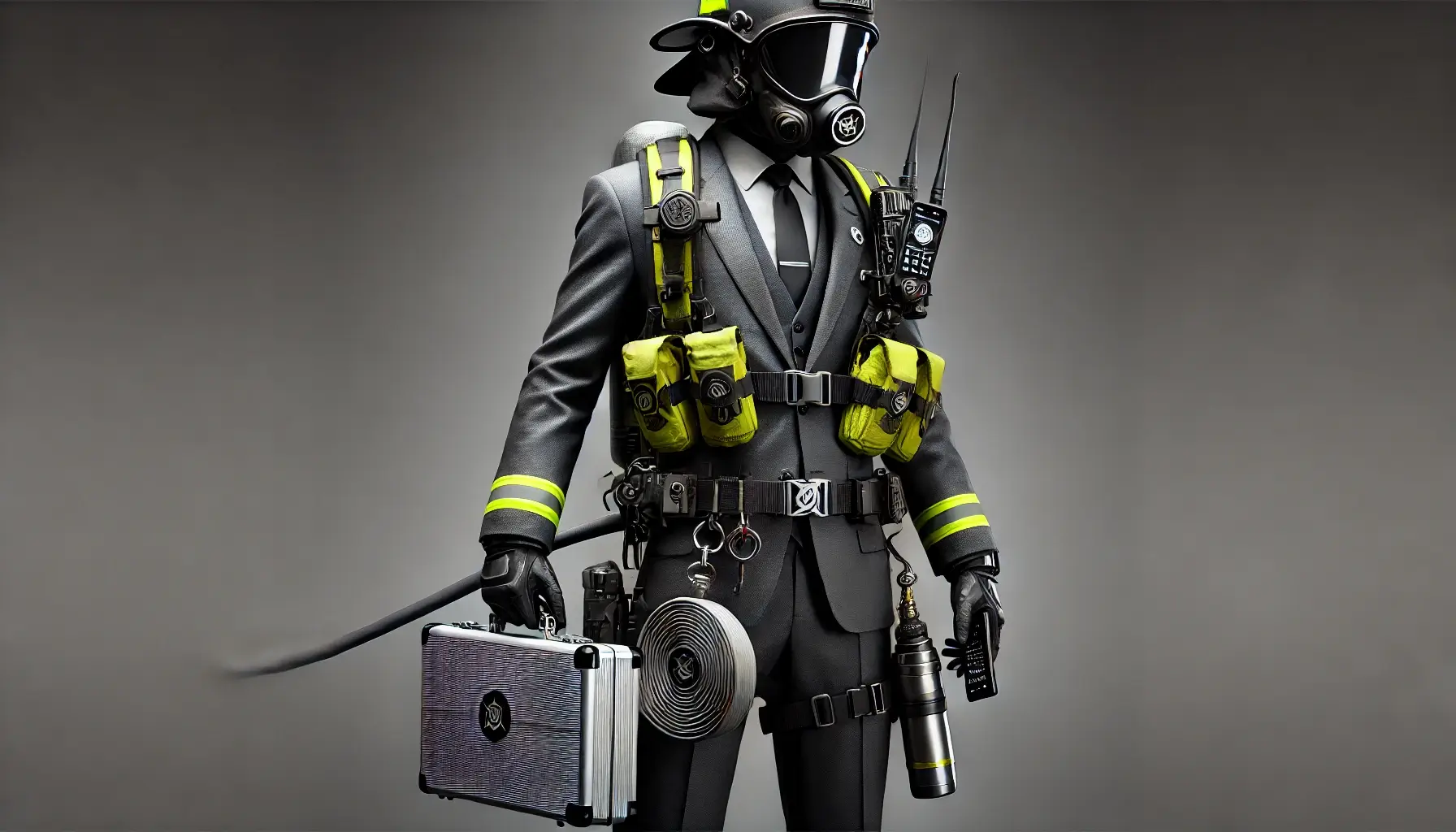
Many companies operate in a constant state of crisis. Instead of following a clear and steady strategy, they jump from one urgent issue to the next. Leaders push teams to focus on whatever problem is most pressing, and employees quickly learn that the best way to gain recognition is to drop everything and put out fires.
This firefighting culture can feel productive. After all, people are working hard, solving problems and responding to challenges, but beneath the surface, it creates a broken dynamic. The employees who react fastest to the latest crisis are rewarded, while those who focus on long-term stability and execution often go unnoticed. Strategic work is regularly derailed in favour of the next emergency, and the same problems keep resurfacing because no one is addressing the root cause.
At its core, firefighting is a symptom of something missing in the company’s execution habits. Every time leaders find themselves declaring an emergency, it should serve as a warning: the organisation lacks the habits needed to prevent the crisis in the first place.
If employees receive outsized praise for jumping into emergencies, they will continue to prioritize short-term heroics over long-term execution.
Habit-Driven Execution
A great company isn’t one that reacts well to fires, it’s one that rarely has fires at all. Instead of rewarding last-minute heroics, leadership should focus on conditioning the organisation to execute consistently, making small course corrections along the way.
In a habit-driven organisation, problems are addressed before they become emergencies. Long-term priorities remain intact rather than being constantly disrupted. The company never needs to make dramatic overhauls because small, frequent adjustments keep everything on track. Success isn’t measured by how well teams scramble to fix problems but by how well they prevent problems in the first place.
Companies that operate this way don’t need last-minute sprints to meet deadlines, emergency budget cuts to stay afloat, or desperate customer retention pushes to keep revenue from slipping. They maintain discipline in their execution and reinforce good habits every day.
What are organisational habits? They are the patterns of execution that become second nature across teams. They include the metrics that are regularly tracked, the meetings that actually happen, the follow-ups that are expected and most importantly, the way people think about priorities and tradeoffs without needing to be told.
Firefighting Moments Reveal Missing Habits
Every crisis offers a clue about what’s broken in the company’s day-to-day execution. When leadership finds itself reacting to a sudden, urgent problem, the right question isn’t “how do we solve this immediately?” but rather, “Why did this problem catch us off guard and what habit needs to change so it doesn’t happen again?”
When a company suddenly realizes costs are spiralling out of control and announces drastic cost-cutting measures, it means financial discipline was missing from its regular execution. The solution isn’t just to cut costs, it’s to develop better habits around tracking financial efficiency, adjusting spending continuously and ensuring leaders are actively managing costs, not just reacting to them.
If a major customer threatens to leave due to product quality issues, leadership may call for an emergency quality initiative, pulling engineers off their planned work to fix defects. However the real problem is deeper, there wasn’t a habit of continuous quality monitoring and improvement.
Similarly, when employee engagement plummets and leaders scramble to launch morale-boosting initiatives, the real issue isn’t that employees suddenly became unhappy, it’s that engagement wasn’t being managed. A company with strong habits around employee communication, clear goals and meaningful work won’t need to rely on last-minute interventions to fix morale.
None of these crises should come as surprises. They are the natural result of missing habits. When an emergency happens, it’s not just a problem to be solved, it’s a signal that something in the company’s execution needs to be refined.
Break the Firefighting Cycle
Leaders must be especially careful not to fuel the firefighting instinct within their teams. Everything a leader says carries weight, and employees are quick to interpret even a simple comment as a directive. A passing remark from an executive about rising costs or customer churn can easily trigger a full-scale firefighting effort from well-intentioned employees.
This is why leaders must resist the urge to frequently make sudden, sweeping course corrections. Dramatic pivots in strategy or focus - no matter how well-intentioned - send a clear message that long-term work can always be interrupted for short-term issues. Instead of constantly reacting to the latest fire, leaders focus on steady, intentional improvements that reinforce better execution habits over time.
The goal is not to eliminate adjustments but to normalise them. The best-run organisations don’t make large, disruptive changes, they make small, continuous ones. Problems are addressed incrementally as part of the regular execution cycle, reducing the need for emergency interventions. Employees understand that course corrections are expected, but they don’t mean abandoning priorities every time something unexpected happens.
To make this shift, leaders must also change what they recognise and reward. If employees receive outsized praise for jumping into emergencies, they will continue to prioritise short-term heroics over long-term execution. Instead, leaders should highlight and celebrate the people who quietly ensure things run smoothly, those who prevent problems rather than just fixing them. The company’s culture should reinforce that consistency and discipline matter more than firefighting.
Final Thoughts
It’s easy to fall into the firefighting trap. It feels like action. It makes leaders look decisive. It rewards employees who work hard under pressure. However a company that thrives on constant crisis is not a well-run company, it’s a fragile one.
Strong organizations are built on habits, not heroics. Every time a crisis happens, it’s an opportunity to ask: What missing habit allowed this to happen? How do we refine our execution to prevent this in the future?
Leadership isn’t about reacting faster. It’s about ensuring fewer things require a reaction in the first place.
What’s Next?
Look at your organization. What recent crises have forced people to drop everything? What missing execution habits might have contributed to those emergencies?
Instead of responding with yet another firefighting effort, use these moments to adjust your company’s habits. Develop a culture that values small course corrections over dramatic pivots, steady execution over urgent reactions and consistency over chaos.
That’s how you build a company that doesn’t just survive, but thrives.
Our mission is to empower organizations by fostering cultures of clarity and transparency, engagement and collaboration. Through innovative tools, best practices and partnership with leaders, we strive to unlock the competitive advantages inherent in healthy organizations.